Book Review #68: “Evicted: Poverty and Profit in the American City”

evicted

Image Credit: Amazon

I think I first heard about this book from friends on Facebook, who all said what a powerful book it was.

Then, author Matthew Desmond was interviewed by Terry Gross on NPR’s Fresh Air in April 2018. My local area, Hampton Roads in Virginia, was specifically mentioned in the interview regarding high numbers of evictions in three separate cities. It stung, and propelled me to want to learn more. As soon as possible.


I bought the book in August, and finally started it in late December. But once I started, I could not put it down. By the time we came home from the farm on December 26th, I’d flown through Part One. I was itching to go to bed that night, eager to dive in to Part Two. It only took me a few more nights of intense reading to finish it. I came away from it with a greater understanding, and appreciation, for being able to own my own home with my husband. It’s one of those books that makes me realize how good I have it, especially as a white woman with no children.

I’m drawn to books like this because of the human interest. I was reminded of the term “ethnography,” which is the systematic study of people and cultures. Author Matthew Desmond settled in Milwaukee, in the trailer park and other low-income neighborhoods, to not only interview people for the book, but to learn about their lives, and specifically what they go through day by day. The housing crisis and recession of the late-2000s began while he was conducting interviews, and it’s referenced in the book as well.

However, the housing crisis and recession are not all to blame here. It’s just one factor. There are many other factors involved with eviction and those who struggle with it. Landlords have profited by buying cheap, often dilapidated houses or buildings, charging rent, and then sometimes refusing to fix inherent problems in these properties. The tenants complain, nothing gets fixed, and rent can go unpaid or withheld. There are certain processes for evictions, but they vary greatly. There are voluntary and involuntary procedures. It’s definitely not black-and-white.

When someone is evicted, that goes on their record. It’s exponentially harder for parents with children to find an affordable place to live, and eviction(s) exacerbate that problem. Multiple evictions are even more problematic. It’s a vicious cycle, where parents want to protect their kids from negative influences and crime, but can’t break out of those areas because of their eviction record. Welfare benefits can also be affected. If you’re lucky to have a job, getting evicted can cause immense stress, affecting job performance and more. Choices have to be made, painfully – Pay rent, or the utilities, or the car repair, or a need for your kids. Kids are uprooted, shuffled, changing schools, and also stressed. It’s a horrible experience all around.

Desmond’s dedication to these interviews, living in their space, researching the processes and procedures, and soaking up everything he could about eviction shines through this book. It’s depressing, in more ways than one, but incredibly informative, educational, and eye-opening.

This is one of those books, in my opinion, should be studied and taught in schools, especially upper levels of high schools and colleges/universities. It’s an important issue that needs more focus, discussion, and change.

My eyes were opened widely to the multiple problems regarding eviction. I thought I knew a few things, but this book turned my thinking completely on its head. The book focused specifically on Milwaukee during a set number of years, but there are eviction problems and issues throughout the entire U.S.

That was one of the focuses of Desmond’s interview with Terry Gross – Thanks to receiving a MacArthur Foundation Genius Grant in 2015, Desmond has started The Eviction Lab, where a dedicated team of researchers and students from Princeton University are creating the first-ever eviction database in the U.S. At the time of the interview, in April 2018, the Lab had already collected 83 million records from 48 states and the District of Columbia.

The book was also awarded a Pulitzer Prize in 2017. That says something, too.

“Stabilizing a home has all sorts of positive benefits for a family,” Desmond said in the interview.

Desmond has written two other books, and co-authored one on race. I look forward to reading and seeing more from him.

5 out of 5 stars.


Until the next headline, Laura Beth 🙂

Book Review #67: “Small Town”

I found this book at a thrift store in Florida in May of this year, for $1.50. Why it took me so long to read it, and finish it, I don’t know. But, overall, I enjoyed this book. Lawrence Block was a new name to me, but what captured my attention was the setting – New York City. I’m a sucker for books set in the Big Apple!

Originally, it took me a while to read more than two chapters per night. Block’s writing is so incredibly detailed, and the cast of characters is extensive. His chapters are meaty, but mighty. I told a group on Facebook that this is a good thriller, but if you’re not a fan of sex, violence, and profanity, I would avoid this book. Those three things are very prevalent in this one!

I liked this book, for the most part. It’s not my favorite thriller in the whole world, but I liked the structure of the story, and how the title is so fitting. Despite several heavy subject matters – It’s set in 2002, so that gives you an idea of the circumstances in New York City – the characters were constantly engaging. Each character was unique. Also, one of the main focuses is on a published author, and seeing the process of a book deal in a fictional story was really cool to see. I enjoyed following the author’s story, and the saga he’s involved with.

I could have seen less graphic sex, and the violence was definitely unsettling. But, it’s a thriller. And Block accomplished that with his writing.

3 1/2 out of 5 stars.


Until the next headline, Laura Beth 🙂

Commentary #82: “How Iceland Got Teens to Say No to Drugs”

The Atlantic

Image Credit: The Atlantic

I saw this article on Facebook recently. Thanks to Brittany A. for sharing it.

Here’s the link to The Atlantic’s article, published January 19, 2017:


What were you doing in 1997?

According to a local psychologist, Gudberg Jónsson, back then most of Iceland’s teens were drinking or drunk. All the time. It felt unsafe.

Fast-forward 20 years. There aren’t teens wandering the park, nearly passed out drunk. There aren’t many wandering teens at all.

Why?

They’re involved in after-school classes, art club, dance, music, or with their families.


Iceland boasts incredibly low percentages of teens drinking, using cannabis, or smoking cigarettes.

Here are the numbers. This was a survey of 15-year-old and 16-year-olds, reporting these activities for the previous month.

Drunk, 1998: 42 percent
Drunk, 2016: 5 percent

Ever used cannabis, 1998: 17 percent
Ever used cannabis, 2016: 7 percent

Smoked cigarettes every day, 1998: 23 percent
Smoked cigarettes every day, 2016: 3 percent

It’s radical, and exciting. But, there’s a method behind it. And if adopted by other countries, it could have a revolutionary change. However, it’s a big if.


In 1992, Project Self-Discovery was formed, offering teenagers “natural-high alternatives to drugs and crime.”

Instead of a treatment-based approach or program, the idea was to allow the kids to learn anything they wanted, including art, music, dance, martial arts. By having the kids learn a variety of things and skills, their brain chemistry was altered, and give them what they needed to cope better with life. Other ways to combat depression, anxiety, numb feelings, etc. Life-skills training was also incorporated.

Research and studies in the early 1990s showed a series of factors that played into Icelandic teens not getting involved with alcohol and drugs: Participating in organized activities three to four times per week, especially sports; total time spent with parents during the week; feeling cared about at school; and not being outdoors in the late evenings.

Youth in Iceland began gradually, before being introduced nationally. Correspondingly, laws were changed. You had to be at least 18 to buy tobacco, and 20 to buy alcohol. Tobacco and alcohol advertising was banned. In addition, another law, still in effect today, prohibits children aged between 13 and 16 from being outside after 10 p.m. in winter and midnight in summer.

Another key provision was involving schools and parents. State funding was increased for sports, dance, art, music, and other clubs. Low-income families received help or assistance to take part in these extracurricular activities.

“Protective factors have gone up, risk factors down, and substance use has gone down—and more consistently in Iceland than in any other European country.”

Youth in Europe started in 2006. The questionnaires – Sent out to many European countries, South Korea, Nairobi, and Guinea-Bissau – shows “the same protective and risk factors identified in Iceland apply everywhere.”

However, no other country has made changes on the scale seen in Iceland. Sweden has called the laws to keep children indoors in the evenings “the child curfew.”

There are cities that have reported successes, being a part of Youth in Europe. Teen suicide rates are dropping in Bucharest, Romania. Between 2014 and 2015, the number of children committing crimes dropped by a third in another city.

“O’Toole fully endorses the Icelandic focus on parents, school and the community all coming together to help support kids, and on parents or carers being engaged in young people’s lives. Improving support for kids could help in so many ways, he stresses. Even when it comes just to alcohol and smoking, there is plenty of data to show that the older a child is when they have their first drink or cigarette, the healthier they will be over the course of their life.”

Would something like this work in the U.S.?

Not a generic model, nothing exactly like Iceland, but something specifically tailored to individual cities, maybe even individual communities. By working with communities to identify the biggest issues and the biggest needs, maybe adopting facets of the Iceland program may help teenagers, and others, in the U.S.


My two cents: While I do drink alcohol now, I’ve never smoked. I was never tempted by alcohol as a teenager. Not at home with my parents, anyway.

I was involved with music and sports from a very young age – Piano, gymnastics, soccer, then the viola, and softball. My church was another huge part of my life. If I wasn’t in school, at music lessons, or at sports practice, I was likely at church.

Also, I know my parents played a huge role in my life. Being an only child, I know I’m a bit biased. But, we had dinner at the table almost every night. We didn’t eat out a lot. The Internet was new, and no one had a smartphone. We had a computer, but there were strict limits, and more educational games than Web surfing. They were fully present in my life. I may have been sheltered and protected, but it gave me so many benefits.


Until the next headline, Laura Beth 🙂


Commentary #81: “How One Woman Is Teaching Homeless & Foster Care Children To Dream”

Precious Dreams Foundation

Image Credit: Sam Dahman

A dear friend shared this article on Facebook on November 30th, and I felt compelled to write about it.


Who knew that decorating an ordinary, simple pillowcase could make such an impact?

Nicole Russell, together with volunteers, provides comfort items that help children in transition to self-comfort.

What makes you happy?

What images can help you dream?

Things that many of us take for granted – Warm pajamas, stuffed animals, receiving blankets, books, and journals – This foundation helps provide it!

This is awesome!


If you’re interested in learning more, please see the resources below:


Until the next headline, Laura Beth 🙂

Writing Prompt #156: The ABC Book Challenge (The Letter M)

The ABC Book Challenge - L


Memorable Books that Start with the Letter “M”:

Image result for macbeth play book

Macbeth

  • We studied Shakespeare in high school. This one was significant to me.

Madame Bovary 1857 (hi-res).jpg

Madame Bovary

  • I believe this was assigned reading when I was a senior in high school.

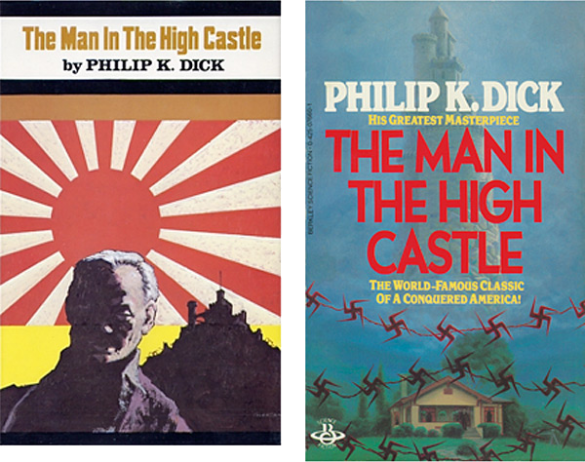
the_man_in_the_high_castle_c4

The Man in the High Castle

  • I’d wanted to read this one for quite a while, and finally did in the summer of 2017. It sparked my interest in not only the author, but in alternate reality, as well.

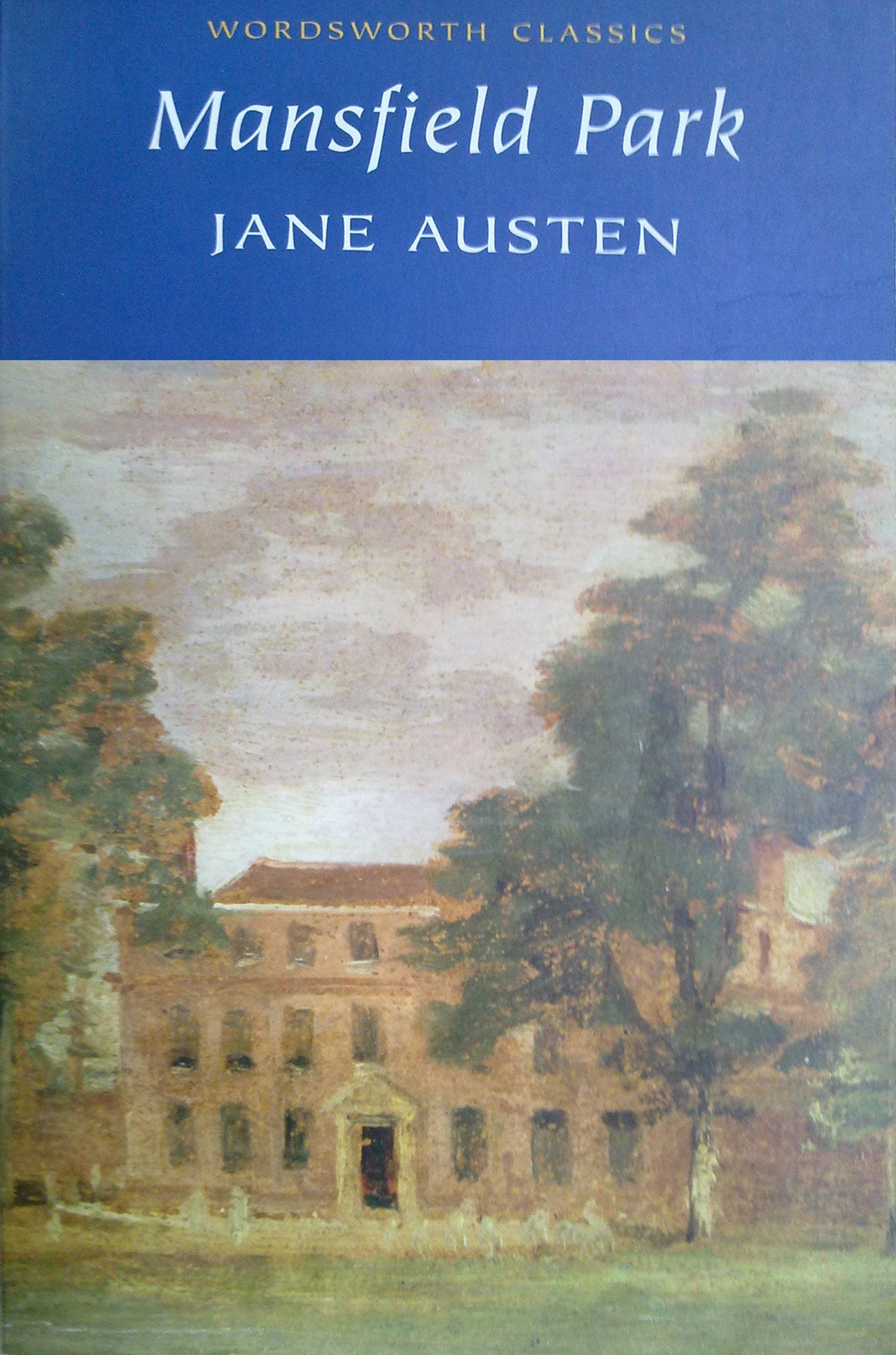
Image result for mansfield park novel

Mansfield Park

  • I need to re-read this, but I’ve read most everything that Jane Austen wrote.

Misty of Chincoteague cover.jpg

Misty of Chincoteague

  • I read this one several times as a kid. I live about three hours from Chincoteague!

Books I’d Love to Read Starting with the Letter “M”:

Higgins cover-jpg.jpg

M. C. Higgins, the Great

  • I remember seeing this book in the school library, but I’ve never read it.

PKD-The-Minority-Report.png

The Minority Report

  • I knew this short story was adapted into a movie (2002) and a TV series (2015), but I didn’t know until much later that it was written by Philip K. Dick.

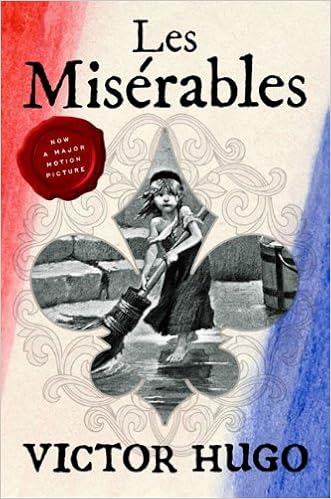
Image result for les miserables novel

Les Miserables

  •  Despite having seen the most recent movie adaptation (2012), I’ve never read the novel.

Stephen King Misery cover.jpg

Misery

  • I vaguely remember parts of this book, so I think it deserves a re-read.

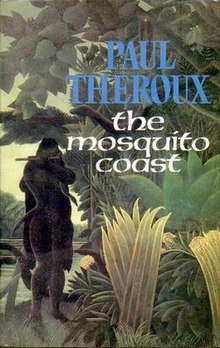
TheMosquitoCoastNovel.jpg

The Mosquito Coast

  • I’ve been interested in this novel since I heard about the movie adaptation (1986). I haven’t seen the movie yet, and I don’t plan to until I read the book.

What books have you read, or want to read, that start with the letter M? Let me know!


Until the next headline, Laura Beth 🙂

Commentary #80: “You have two ages, chronological and biological. Here’s why it matters”

Aging Quote

Image Credit: BrainyQuote

This article on CNN.com, posted on November 30th, immediately caught my eye.


Your chronological age is fairly self-explanatory – It’s based on your birthday.

Your biological age is a bit more complicated – It’s called someone’s phenotypic age.

Phenotypic: Relating to the observable characteristics of an individual resulting from the interaction of its genotype with the environment.

Remember biology class?

Long story short: Your biological age determines health and lifespan.

Morgan Levine, a professor and researcher at Yale Medical School, worked with her team to identify nine biomarkers in a simple blood test. Some of these biomarkers include blood sugar, kidney and liver measures, and immune and inflammatory measures.

The bottom line: People who have a lower biological age than their chronological age have a lower mortality risk.

What’s interesting about Levine and her team’s research is that your biological age is not permanent. It can be adjusted. Meaning, changing things like lifestyle, diet, exercise, and sleep habits can lower one’s mortality risk and improve one’s biological age.

Currently, Levine is working to provide access to the algorithm online so that anyone can calculate their biological age, and take further steps to improve it.


For more information:

What do you think? Let me know in the comments!


Until the next headline, Laura Beth 🙂

Writing Prompt #155: The ABC Book Challenge (The Letter L)

The ABC Book Challenge - L

Here’s the link to Tiana’s post:


Memorable Books that Start with the Letter “L”:

30118

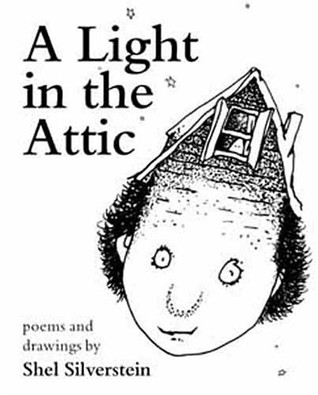
A Light in the Attic

  • Shel Silverstein is a household staple.

77766

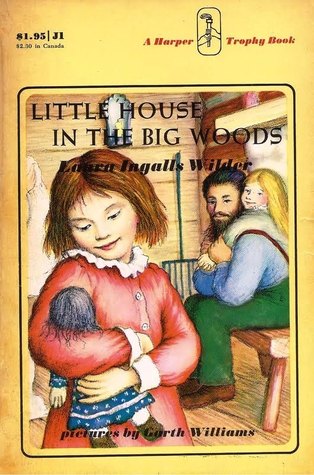
Little House in the Big Woods (Little House #1)

  • I absolutely loved Laura Ingalls Wilder’s books when I was younger.

1934

Little Women

  • I had to read this for a project during my freshman year of high school, and ended up falling in love with it.

1295102

Lock and Key

  • Each one of Sarah Dessen’s books has made an impact on me.

Looking for Alaska

  • I was introduced to John Green by way of this book, in my Young Adult Literature class in the spring of 2011. It’s one of my all-time favorite books.

7784

The Lorax


Books I’d Love to Read Starting with the Letter “L”:

2170567

Life As We Knew It

  • I’ve read other books by Susan Beth Pfeffer, but not this one.

37426

Little Children

  • I want to read everything that Tom Perrotta has written.

Little & Lion

  • This book’s cover looks beautiful. Plus, I’m always interested in books that have mental health representation.

Little White Lies

  • Like Tiana, I don’t know much about debutantes, but I really want to read this book!

7604

Lolita

  • I’ve always wanted to read this!


What books have you read, or want to read, that start with the letter L? Let me know!


Until the next headline, Laura Beth 🙂
Writing Prompt #154: The ABC Book Challenge (The Letter K)

Here’s the link to Tiana’s post:


Memorable Books that Start with the Letter “K”:

104378

Keeping The Moon

  • Sarah Dessen is one of my favorite authors!

150260

Kristy and The Snobs (The Baby-Sitters Club #11)

  • I loved everything Baby-Sitters Club (BSC) when I was younger!

Books I Wish to Read that Start with the Letter “K”:

18350989

Kids We Were

  • I want to see if my library has this!

6837103

The Kitchen House

  • This looks so interesting!

77203

The Kite Runner

  • I’ve heard really good things about this one, for years!

What books have you read, or want to read, that start with the letter K? Let me know!


Until the next headline, Laura Beth 🙂
Commentary #79: “Tiny Houses For Homeless Vets Makes A Lot Of Sense”

Today is Veterans Day. I waited to share this story, because I think it’s important.

In Kansas City, Missouri, former U.S. Army Corporal Chris Stout is definitely a hero. In more ways than one. Not only did he serve his country, but now he’s giving back to it. Through the Veterans Community Project, tiny homes have been built in the Veterans’ Village, all for veterans who are struggling with homelessness. Chris and several friends quit their jobs in 2015 to start the project, and it’s been blossoming ever since.

The first 13 homes were finished in January. Another 13 will be done by the end of this month. Each house is fully stocked – Furniture, linens, toiletries, food, and even welcome gift baskets.

However, Chris calls the houses the “sexy piece.” The bread and butter is the sense of community, camaraderie, and connecting veterans to the services they need.

In the interview, Chris stated that eight of the original 13 residents have found permanent housing. They take the furniture with them. It takes about 72 hours for a house to set up for a new resident.

The idea is for veterans to get back on their feet, with as much time as they need based on their goals, and get connected with the services they need. While starting the project, Chris found that many didn’t feel safe or have a sense of privacy with traditional shelters. The anticipated length of stay is six months, but as long as they are working on their goals, they’re welcome to stay as long as they like/need.

Another 23 houses are to set to be done by the beginning of 2019. In addition, a community center is nearly finished, which will have medical, dental, and veterinarian care, a barbershop, and a fellowship hall for group events.

When a veteran walks in, the staff gets to work with their bus pass, housing placement, job placement, legal services, food pantry, clothing closet, and emergency financial assistance. So far, the organization has helped more than 8,000 veterans.

More than 650 communities around the country have reached out to Veterans Community Project. They’re growing in Denver, Nashville, St. Louis, and more. Chris’s goal is to be in every major city, helping veterans with what they need.


Chris Stout has already been recognized as a CNN Hero. He’s in the Top 10. The hero with the most votes will receive $100,000 toward their cause. Voting ends December 4th.


Thank you to all veterans! We appreciate your service.


Until the next headline, Laura Beth 🙂

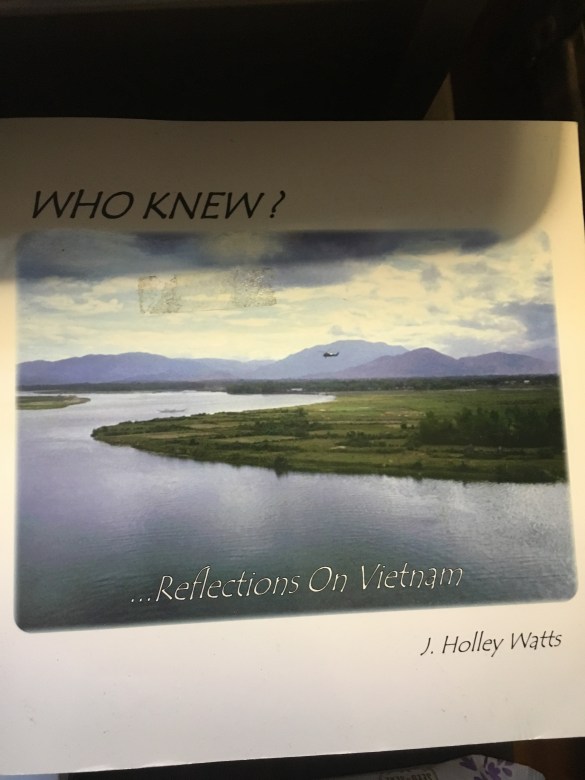
Book Review #66: “WHO KNEW? …Reflections on Vietnam”

I received this book as a gift! My dear friend, Lydia, sent a sweet card with the book, explaining that she knows the author, and wanted to send it to me after reading a blog post regarding my interest in Vietnam. Thank you, Lydia!

The best way I can describe this book is a mix of a memoir, photo album, and poetry collection, all wrapped up into a nice book. It gave me a sense of what Watts went through during her year of service.

While preparing to receive her undergraduate degree at Villanova, she knew wanted to travel. She wanted to join the Peace Corps, but they wanted her to start before graduation. Then, she found a brochure for the Supplemental Recreation Activities Overseas (SRAO) program of the American Red Cross.

What she ended up with was a year of service, and a lifetime of memories.

Watts blends photos, poems, soldiers’ artwork, and her memories into a powerful book. It made me feel like I was there with her.

I also learned about the SRAO program of the Red Cross, and how instrumental these women have been since World War II. I gained a new perspective, and a sense of gratitude. I know Watts and her crew were appreciated by the men in the jungles of Vietnam, during a very trying time there, and here at home.

Although I wasn’t alive during her service, I appreciate Watts for writing this book. It provides a unique perspective on a unique type of service during the war, and I’m grateful for her to show me, and others, this insight. Reading accounts like this makes me want to learn even more about the Vietnam War and the people who were involved, both soldiers and civilians.

Thank you again, Lydia, for this gift!

4 1/2 out of 5 stars.


Until the next headline, Laura Beth 🙂