I wasn’t anticipating it would be more than four months in between reviews, but hey, life happens. And I realized I didn’t want to burn myself out with reading the series back-to-back.
Harry narrowly makes it back to Hogwarts for his second year. There are more adventures, and multiple misadventures, and it’s a thrill ride basically the entire time.
There’s more danger and conflict in this book. Originally, I declared this book as my favorite of the series the first time around. Re-reading it now, I can see why I thought that way. I love so many things about this one – The mystery of the Chamber throughout the book, the introduction of new characters, and not exactly knowing what’s going to happen next.
One of my favorite characters in this book specifically is Ginny Weasley. I won’t spoil anything for those who may not have read the book, but I adore her.
I’m looking forward to reading Harry Potter and ThePrisoner of Azkaban soon!
I’ve been wanting to write a post about multi-level marketing for a while. But, I’ve resisted. They are everywhere.
Full disclosure: I’ve been swept up in them for a while. Not selling for any company, but buying from them and “supporting” friends.
Throughout my life, I was buying from MLMs and not really realizing it. This means that I have hosted a party, attended a party, or bought product from a seller or consultant.
Mary Kay
Avon
Thirty-One
Stella and Dot
The Pampered Chef
Pure Romance
Arbonne
Scentsy
Origami Owl
Jamberry
LuLaRoe
Young Living
Sseko Designs
Rodan + Fields
Along the way, I have been approached by consultants to try samples, buy product, or actually sell Cutco, Advocare, Plexus, Norwex, Jamberry, Young Living, Amway, and Sseko Designs.
Over the last several months, I have been researching MLMs. It all started with John Oliver’s piece – Multilevel Marketing. Al and I watch his pieces on YouTube every week. It’s funny, entertaining, but also well-researched and frighteningly real.
I felt sick after watching his piece on MLMs. I realized, in the span of 30 minutes, how much money I had FUCKING WASTED on shitty products for many, many years. I’m also grateful I resisted “investing” in any of these companies, meaning that I never signed up to sell anything. Sure, I hosted a few parties, but I never joined anyone’s team.
And I’m so glad I didn’t.
You see, many of these MLMs are like cults. You’re swept up into the world of the company, its culture, and their products. And it’s really, really hard to leave.
I’m so glad I didn’t pay money upfront to “start a business.” Sure, I bought a lot of product – Makeup, skincare, bags, nail strips, essential oils, diffusers, jewelry, clothing, and more.
I recently added up how much money in extra product I had in my house from Young Living. This included unopened essential oils, laundry detergent, cleaning products, makeup, skincare, and foaming hand soap. It was roughly $2,000.
I had it all out on my kitchen counter. And I wanted to throw up. $2,000 is a mortgage payment and then some.
All because I believed that paying for overpriced, “chemical-free” essential oil products would help my family be healthier. For more than TWO YEARS. I was buying product every month, to the tune of about $100 per month, sometimes up to $400 per month. I went back to my purchasing history and cried. I wasted so much of my hard-earned money.
Al actually asked me to stop using the YL detergent months ago because it wasn’t cleaning his clothes as well. That was the first light bulb moment for me.
Then, I started closely researching the cost of my products with Rodan + Fields, and LuLaRoe (LLR). There was so much money in my bathroom and my closet. R+F was costing me about $300 every eight weeks. My skincare regimen in their fancy bottles, and their tiny tube of LashBoost. The LashBoost alone was almost $70. Per tube.
After I joined a Facebook group called Sounds like MLM but ok, my eyes were opened even wider. There were WAY MORE MLMs than I ever imagined. This group has a master list that is literally pages long.
That’s how I discovered Sseko Designs was a fucking MLM, for example. At first, I felt hurt, betrayed even. Hardly anyone had attended the party I had thrown on Facebook earlier this year, and now I know why.
And then there are the lawsuits. One of the biggest reasons I wanted to stop buying R+F several months ago was because of the class-action lawsuit I discovered specifically about LashBoost.
Another glorious thing I discovered was The Dream podcast. If you haven’t listened to it yet, I highly recommend it. You can find it on Stitcher and Apple Podcasts. Jane Marie is a gem, and I can’t wait to see what happens with Season 2.
I could go on for days about MLMs. They are some of the most deceptive “companies” out there.
What bothers me the most, however, is how predatory they are. They advertise, falsely, that you can make so much money so quickly. Yet, in my interactions with consultants trying to get me to join their teams, all the language is shady and vague. Many pitches are copied and pasted from their upline, or the people above them.
In my research, I’ve discovered that roughly 95 percent of people in MLMs don’t make any money. Zero. Zilch. Nada.
Google “income disclosure statement,” and immediately many MLM names come up behind it – Monat, It Works, Arbonne, Young Living, Beachbody.
For example, Monat’s income disclosure statement reads “A typical Participant in the Plan earns between Cdn $22 and $1,188 annualized.”
That’s NOTHING. Fucking nothing. Only $1,188 PER YEAR? And that’s Cdn – Canadian. Currently, 1 Canadian dollar equals 0.76 United States dollar. Quick math – I think that translates to $902.88 USD per year.
That’s not even enough to pay my mortgage for ONE MONTH.
And that $1,188 CDN doesn’t include costs incurred by hosting parties, participating in events, and purchasing products. So, very likely, a Monat partner will never see that $902.88 in a year.
I’ve heard horror stories of people, mostly women, (but men are targeted for MLMs, too) have accumulated THOUSANDS of dollars in debt from purchasing inventory. My Facebook Marketplace is full of people desperate to unload their excess stock of Young Living oils, unsold LuLaRoe clothes and leggings, Scentsy products, and more.
Bottom line: MLMs are designed to prey on vulnerable people – Women and men. And many are stuck in it for years. It’s all very sad, and infuriating.
However, there is some good news. At the beginning of October, AdvoCare and its former CEO agreed to pay $150 million and be banned from multi-level marketing to resolve Federal Trade Commission (FTC) charges that the company operated an illegal pyramid scheme.
My hope is the FTC continues to investigate these predatory companies and take action. Like many industries, however, there are lobbyists and politics involved. I’ve posted a link to the Direct Selling Association (DSA) below in my resources list.
So, what can you do about MLMs?
Become aware. Many MLMs follow similar models, and use similar language to get people to buy in.
If you know someone involved in an MLM, don’t try to convince them to get out or stop. It’s like being in an abusive relationship – Only the person involved can decide when they want to leave. No one else, sadly, can change their mind.
If you are approached by someone to invest or buy in, don’t be afraid to ask questions. Be your own advocate. Use words such as MLM, multi-level marketing, direct sales, or pyramid scheme.
At craft fairs, farmers markets, and other local events, support your neighbors and their small businesses. I guarantee you it will be a better experience for everyone. The money you spend will help them grow and invest in their products, whether it’s handmade soap, hand-crafted jewelry, doll clothes, or locally-sourced food.
If you help organize craft fairs, fundraisers, or farmers markets, work to limit the number of MLMs that are allowed to participate. Some places and organizations have gone so far to ban them entirely. I’m not telling you what to do, but just be mindful of the businesses you want to attract and support.
When Al was on a recent business trip, I made a list of movies I wanted to watch after getting home from work. Having little success in locating many of them through Netflix, Amazon, and Hulu, I found Won’t You Be My Neighbor? through Amazon Prime Video.
I’d heard this documentary made you cry, and it’s definitely true. I learned a lot about Mr. Rogers, both the man and the genesis of the television show.
I was a bit worried about the length – A little more than 90 minutes. I wasn’t sure if the “whole story” would be captured in that time frame. Neville, however, proved me wrong.
The interviews were amazing. Neville captured everyone he possibly could – Joanne Rogers, John Rogers, Jim Rogers, Elaine Rogers, Yo-Yo Ma, Francois Clemmons. And Fred Rogers and Koko the gorilla in archival recordings.
The show originally debuted in Canada in 1962. It began in the U.S. in 1966 on the regional Eastern Education Network. Its national debut was on February 19, 1968.
One of the interesting things about the documentary was seeing the origin story. I knew the show covered topics that most children’s programming avoided, but it was fascinating to see archival footage from 1967 and 1968, discussing the Vietnam War and Robert Kennedy’s assassination, among other things.
I started watching Mister Rogers before I could talk. New episodes aired on PBS until 2001, so I remember the “modern era” of the show. I learned about things from how Crayola crayons are made, factories, jobs, books, conflict, death, friendship, family, and more.
This documentary is filled with nostalgia, and one of the best things I’ve seen in 2019. I’m very happy Morgan Neville decided to do this – I hope it was as rewarding for him as it was for me.
Watching this now is the perfect lead-up to the upcoming film, A Beautiful Day in the Neighborhood, starring Tom Hanks. I can hardly wait for Thanksgiving week. You’ll find me first in line for tickets.
It was founded in 1892 by medical doctors John Purdue Gray and George Frederick Bingham.
In 1952, two other doctors, Raymond and Mortimer Sackler, bought the company. Older brother Arthur Sackler had a one-third stake in the company, which was sold to his brothers after his death. At that time, the company sold staples such as earwax remover and laxatives.
Purdue Pharma L.P. was incorporated in 1991, focused on pain management medication.
Manufacturing is located at three sites: Wilson, North Carolina; Totowa, New Jersey; and Coventry, Rhode Island.
Sister companies, also controlled by descendants of the Sackler brothers are Napp Pharmaceuticals in the U.K. and Mundipharma. These companies sell opioids globally.
In addition to OxyContin, Purdue makes pain medicines such as hydromorphone, oxycodone, fentanyl, codeine, and hydrocodone. Contin, a controlled drug-release system was developed in 1972. Its extended-release formulation of morphine, MS Contin, began in 1984.
OxyContin is Purdue’s extended-release formulation of oxycodone. It was released in 1996.
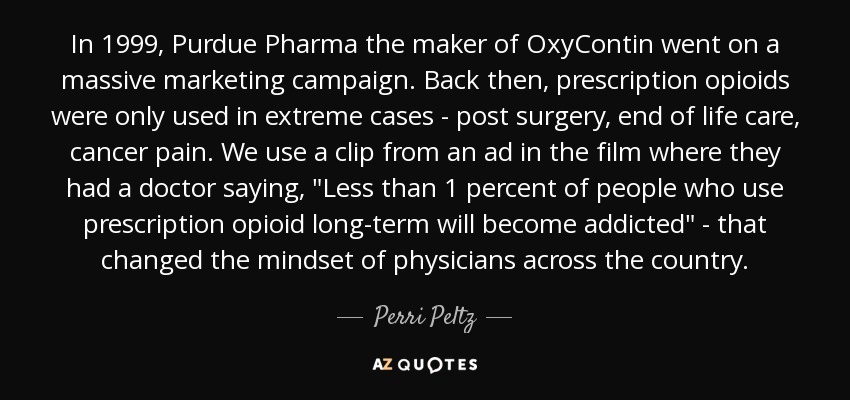
Arthur Sackler pioneered an aggressive marketing strategy decades earlier. Purdue pressed and convinced doctors to prescribe OxyContin, with incentives such as free trips to pain management seminars and paid speaking engagements. The drug was marketed as “smooth and sustained pain control all day and all night” when taken on a 12-hour schedule. In addition, it was touted to have “lower abuse potential than immediate-release oxycodone because of its time-release properties, even though there was no scientific evidence backing that conclusion.”
In 2000, just four years after OxyContin was released, widespread reports of abuse of the drug came to light.
At the same time, OxyContin was a “blockbuster drug” for Purdue. Between 1995 and 2001, OxyContin netted $2.8 billion for Purdue.
The Opioid Crisis
The numbers are staggering. According to an AP article published in January 2019, the opioid crisis killed 72,000 Americans in 2017.
An article from Quartz, published in mid-August 2019, was the summary of a meeting between an ER doctor and a former Purdue Pharma sales representative, and others.
“The company has not only faced public pushback for its role in the opioid crisis, but in 2007 Purdue was found guilty of downplaying the risks and overstating the effectiveness of opioids. The company also used legal marketing practices to boost sales, despite knowing the risks of addiction and dependence. These tactics are now at the center of a host of lawsuits against opioid manufacturers and distributors; those suits are currently making their way through the courts in Ohio.”
Some of the statements that Carol, the former sales rep, and Dr. Chris Johnson, made, were staggering.
“I remember hearing rumors early on that the bonuses for the Purdue sales reps were just incredible. Some of them were making $50 or $60,000 a quarter in incentive bonuses.”—Carol Panara, former Purdue sales rep
“Here’s the problem with a capitalist society: They have an incentive in you consuming more health care. You being healthy on your own isn’t good for business.”—Dr. Chris Johnson
Johnson: “With the passage the Affordable Care Act, something came into existence called the Open Payments Act. You can look up and see what doctors have taken gifts from pharmaceutical companies. And it turns out if you want to see where the most opioids deaths are, follow pharmaceutical gifts to doctors. Open Payments shows that half the doctors in this country take gifts from pharmaceutical companies. They’ve all taken the oath. Doctors are terrible at assessing how their influenced. In my view, rather than relying on raising a hand and taking an oath, disrupt the incentives. Disrupt that reciprocity mechanism to get independent, and I would hope, more scientific thinking.”
In my area of southeastern Virginia, a recent discussion with the Opioid Working Group found that an estimated 8,000 to 10,000 people have withdrawn from the Hampton Roads workforce due to opioids.
In short, Purdue knew years ago its drug was dangerous and addictive, but they aggressively marketed it anyway.
What’s Next?
The company filed for Chapter 11 bankruptcy. The intent for this filing was to stop the onslaught of lawsuits that the company has been facing. These lawsuit range from state to local governments, among others.
However, some state attorneys general have made it clear they will be pursuing additional damages from both the company and the Sackler family.
It has been reported that the company assets are not sufficient for the states. As early as last week, the New York attorney general’s office announced it had uncovered $1 billion dollars in wire transfers by the Sackler family.
To me, they’re running scared. This bankruptcy filing is their last resort, desperate to settle out of court.
In March 2019, Purdue and the Sackler family agreed to settle a case with the state of Oklahoma for $270 million dollars.
Twelve years ago, in 2007, a landmark settlement of $634.5 million dollars was reached, based on federal allegations the company had misbranded OxyContin. The company, along with three executives, plead guilty to criminal charges.
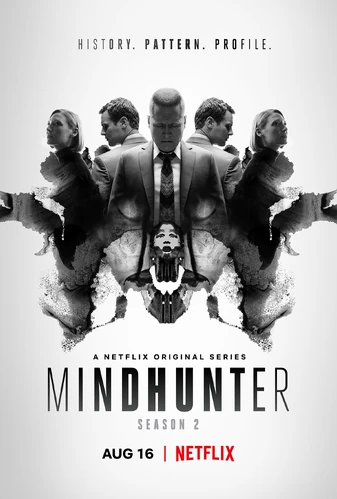
I had heard many good things about it before I sat down to watch it. I took my time with it – I originally committed to one episode per day. This turned out to be a good thing.
This is one of those shows where you need to block everything else out, or as much as you can. Watching it sucks you in, but my habit of looking at my phone while watching a show or movie was broken pretty quickly. Otherwise, I would miss stuff. I started Episode 1 over at one point, because something interrupted me about 30 minutes in, and I wanted to make sure I was refreshed on the details from the very beginning.
I do have some issues with the show, but overall, I really enjoyed it. I really hope Netflix does a Season 3. I want more!
Season 1 (2017)
The show opens in 1977. Holden Ford (Jonathan Groff, Glee) is introduced to veteran FBI agent Bill Tench (Holt McCallany). They begin studying and interviewing murderers in various prisons.
I thought Cameron Britton as Ed Kemper was amazing! It was a bit surreal to hear these actors emulate these horrible men. And the sets looked and felt real!
The pacing was a bit hard to follow sometimes, but I also enjoyed the addition of Dr. Wendy Carr (Anna Torv, Fringe) to the team, and Bill’s wife, Nancy Tench (Stacey Roca) is such a good character.
As you follow Ford, Tench, Carr, and their lives, there are scenes set in Kansas toward the beginning and end of every episode. I thought Sonny Valicenti as the ADT Serviceman was great, but also incredibly creepy! No spoilers — But I highly recommend paying attention to these brief scenes every single time. They are important.
This season was captivating. There is so much going on with these characters! And I enjoy history, so seeing this based on true events in the 1970s was pretty groovy. Haha!
It was perfect timing when I started watching the show. Season 2 dropped on Netflix on August 16th, which happened to be right as I finished up Season 1. I feel bad for everyone else who had to wait two years!
Overall, I liked the angle of Season 2. I knew a little bit about the Atlanta Child Murders before watching the show, but not a lot. I thought it was interesting they focused on it for the majority of the season, if not a bit disappointing.
Regardless, I liked how this season wove the work of the BSU and the ongoing investigation in Atlanta together.
One key piece was Bill struggling to cope with his unfolding family situation in Virginia, while trying to help the investigation in Atlanta. Again, no spoilers, but this was so emotional and real!
Regardless of my slight disappointments, this season felt more emotional and riveting. And the actor they cast to play Wayne Williams is uncanny. The casting was so good!
Also, check out YouTube for several videos on how they made the sets and historical details look so good!
I’m eagerly awaiting the announcement of Season 3!
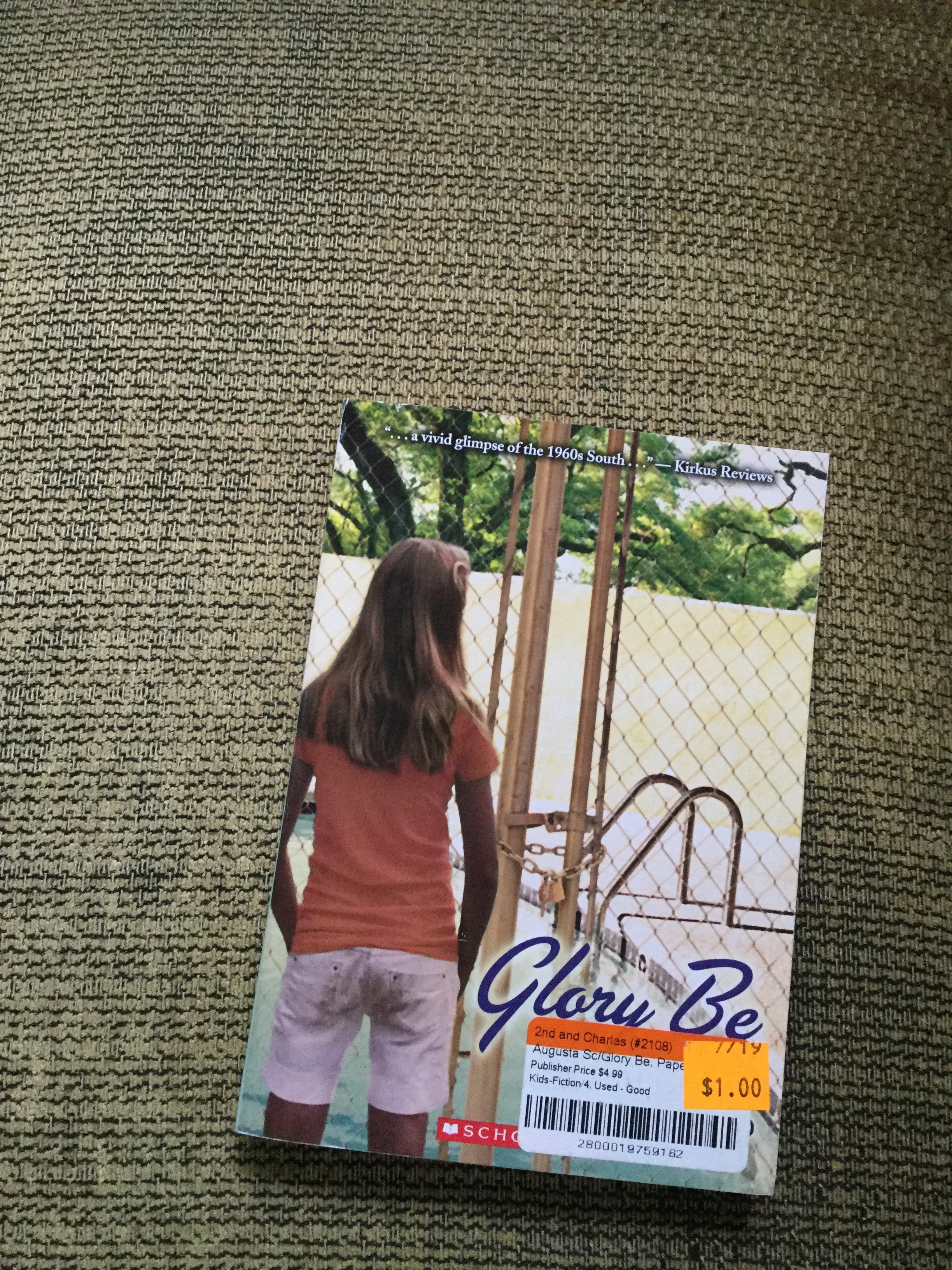
I love 2nd and Charles. It’s a great place to buy used books, among other types of media – They have almost everything you can think of. You can also sell your used items to them. While I was waiting for my most recent buyback to be completed on August 23rd, I found this gem of a book in the $1.00 clearance pile.
It’s designed for readers ages 9-12, but something like that usually doesn’t stop me from reading it.
I loved the different angle the author, Augusta Scattergood, took with the volatile summer of 1964. The main character, Gloriana “Glory” Hemphill, is going through many changes. She dreams of her twelfth birthday at the community pool, but then discovered it’s locked up tight, “closed for repairs.”
Angry, she turns her juvenile anger into action. She truly begins to come of age among her family and friends. She learns about how tumultuous the nation is that hot, sticky summer, especially the state of Mississippi. She works to fight prejudice from her 11-year-old eye. She also begins to discover who her true friends are, and the meaning of family.
—
This was a surprise book for me. I bought it on a pure whim, and felt pulled in from the very beginning. I flew through more than half in the first two hours.
I think the author did a good job creating the atmosphere, and capturing how dangerous the summer of 1964 was for many people. She took her own experiences from that summer in Mississippi and wove them into a compelling book that many can learn from and enjoy.
I think this would be a good book for a class to read in school, or simply kids and family to read together.
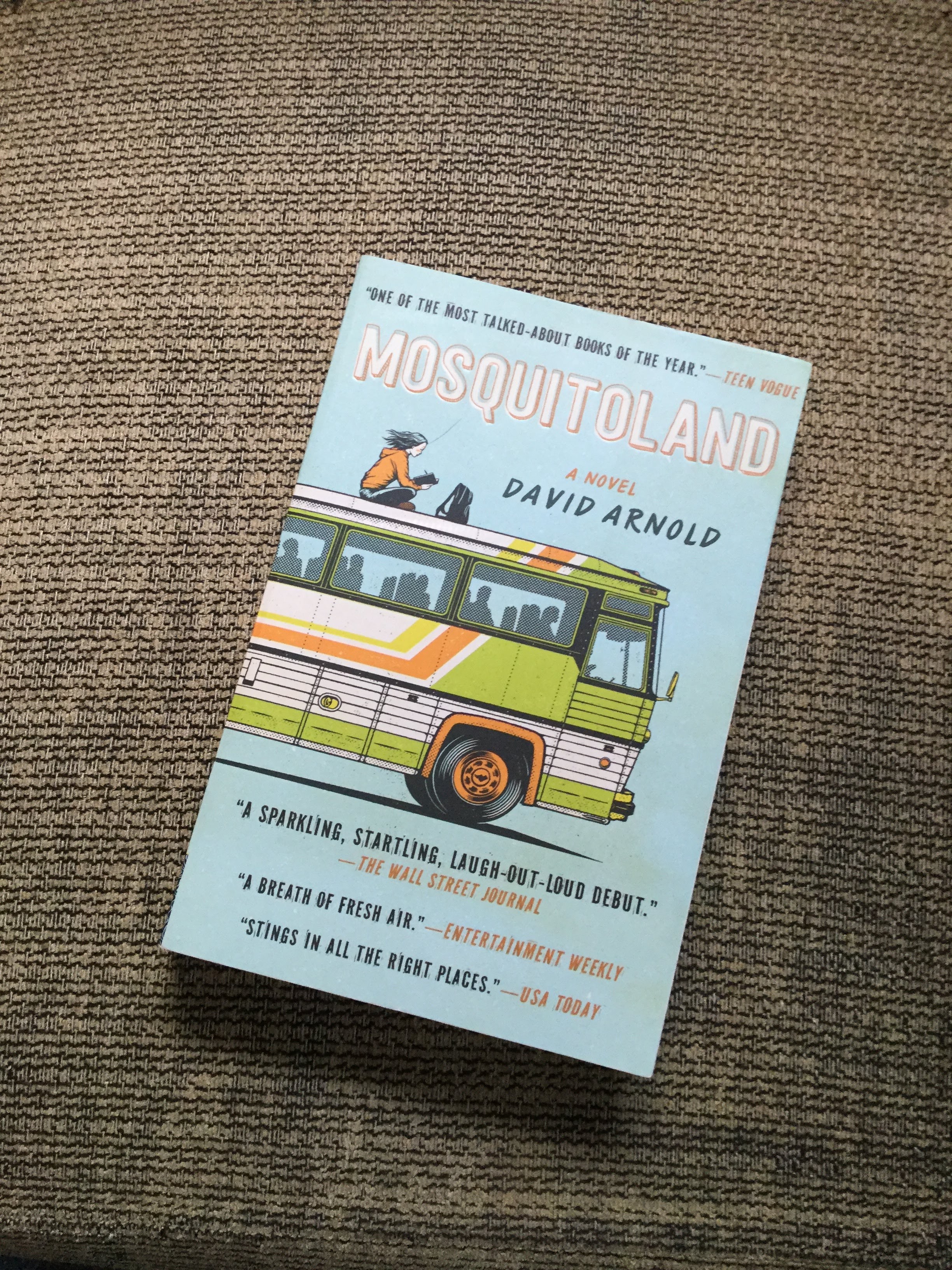
I’m going to go out on a limb here, and declare that Mosquitoland is my favorite book of 2019.
I had a feeling this book was special when I found it at Barnes & Noble last year, while I was looking for books to purchase with the gift card I received for my birthday.
—
I fell in love with Mim, the main character, right at the start. I loved how Arnold addressed mental illness, psychiatric care, and dysfunctional families. I was rooting for Mim the entire time on her journey, which became quite a map of routes, detours, and exits.
I admire Arnold and his creation of his characters. I love how he used music throughout the story. The resounding theme of being on a journey stuck with me the whole time. It was quite a ride.
Arnold is so good with his words and storytelling, that I felt like this story was a mix tape of coming of age, mystery, suspense, a bit of horror, and all of it was delicious. I could hardly tear my eyes away from the book. I wanted to know what happened next.
I found myself a bit surprised with the end of the book. No spoilers — But it was an interesting turn, something I hadn’t considered. It made me like Arnold even more as an author.
I look forward to reading more from Arnold – He has three more books I’m eager to devour.
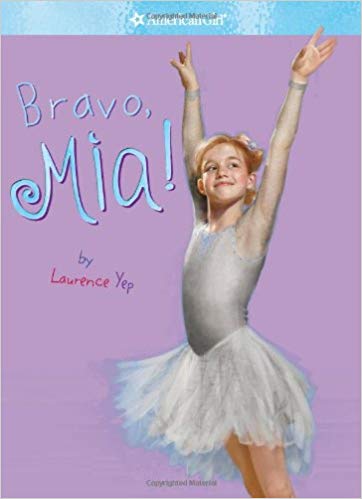
The first book illustrated several themes. Mia is trying to find her own way among her hockey-loving brothers. She’s dealing with a tough new coach, and snotty Vanessa. Now, she has to triumph over tragedy. Will she make it to Regionals?
Along the way, she discovers several things about her family, friends, and, most importantly, herself. She’s growing up, and trying to do what she loves. However, she also clearly understands the meaning of sacrifice, much better than many of her peers. And even Vanessa changes her tune a bit.
I appreciated the story flowing pretty seamlessly from the first book to the second. And the punches keep coming. For a child audience, these two books are a hard look at a big family who is trying to get by, but they still work together and have fun, and I think that’s a good thing.
Through the local rink and the chance to perform at Regionals, Mia gets a taste of what figure skating could look like for her in middle school, high school, and beyond.
I think both books are still relevant to today, in 2019. It teaches about following your dreams, and working hard to achieve them.
I have a whole shelf of my bookcase dedicated to American Girl books. It will always be this way, period, end of story.
I remember reading Mia several years ago. I was fascinated with the doll when she was the Girl of the Year in 2008. But, at that time, I was in college, and I wasn’t about to breathe a word of liking American Girl dolls and books at school.
Now, 11 years later, I’m loud and proud. And I own Mia the doll as well.
—
I wrote stories about ice skaters and figure skaters when I was a kid. I did a report on Michelle Kwan in fourth grade. I wasn’t a good ice skater myself, but I was always taken by the figure skaters on TV, and especially during the Olympics.
Reading Mia’s story brought back that nostalgia, but it also reflected the mid- to late-2000s appropriately. I really appreciated the partial story line about the U.S. economy and what became the Great Recession, where Mia’s parents are working multiple jobs and barely making ends meet for their four kids. It made it relevant to readers when it was published, no matter how sad.
I’ve always liked how American Girl pays attention to details. In addition, these books are good for many ages to read! Although clearly written for younger girls, I enjoyed reading it as an adult. And the illustrations are beautiful, too.
Come back tomorrow for the review of the “sequel,” Bravo, Mia!
This was one of the first books I was assigned to read about World War II, the persecution of Jewish people during that time, and the Holocaust. I re-read it every couple of years as a reminder.
I was probably a bit too young to read this when I did (Middle school, I think), but it left a profound impact on me. I had legitimate nightmares and crying spells for weeks.
This is one of those rare instances where I saw the movie adaptation, several times, before reading the book. I first read the book through one of the libraries, whether it was in Chesapeake or Farmville. I now have my own copy. I’m grateful for teachers like Erin Gruwell.
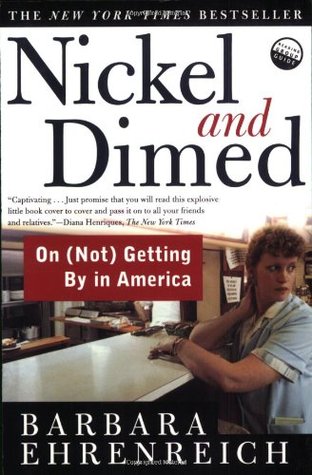
This was one of the first books I was assigned when I started at Longwood in the fall of 2007. It left a profound impact on me. I’ve read it several times since then. Ehrenreich is now one of my favorite writers.
I first heard about this book from one of my professors, Jeff Halliday. It’s one of the most moving, powerful books I have ever read. I believe everyone should read this book at some point in their lives. Also, if you haven’t seen Randy Pausch on YouTube, I highly recommend it. It’s powerful stuff.
I learned about this book when the author, Dave Cullen, was a guest lecturer at Longwood in 2009. I had the pleasure of interviewing him for The Rotunda. It’s a tough book to read, but a good one.
This is another book that came into my life at the perfect time, in February 2016. I’ll never forget reading it, late at night, in the early months of being married to Al, grateful that I was able to escape. Thanks to my good friend, Mike H., I learned about Janine and her incredible story. This is another book I think many others should read.
I found this book at a thrift store at the perfect time, about 12 years ago. It’s a compelling account of how alcohol can affect someone so early. I think I need to re-read this. I first wrote my book review in 2016!
I learned about this book through my church bulletin, as one of the women’s circles was reading it for discussion. I’m so glad I found out about this book. Lilly Ledbetter has had an incredible life, and wanted to fight for what’s right.
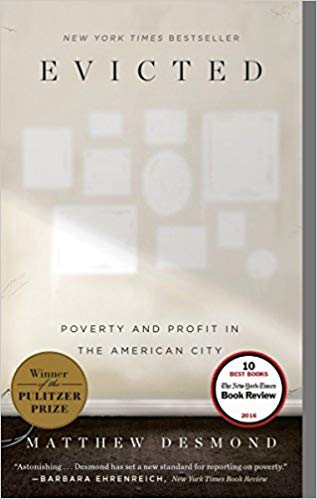
Matthew Desmond was interviewed on Fresh Air, discussing the book and his ongoing project on evictions and the database he has been building. Like Ehrenreich, Desmond is a true ethnographer, and I can’t wait to read more from him.
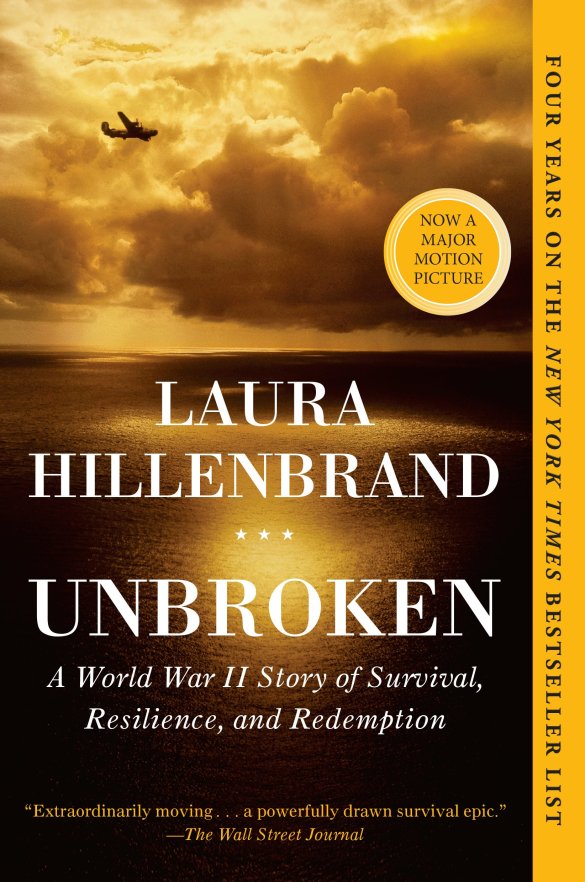
I’m glad I received this book through a book swap. Hillenbrand is a remarkable writer. This is not my most favorite non-fiction book in the world, but Louie Zamperini’s story is incredible and important.
I took a Linguistics course at Longwood. We read a different book by Bryson, and I really enjoyed it. I’ve always been fascinated by the Appalachian Trail, so I think this book would be great.
Tara Westover’s interview on NPR’s Fresh Air was one of the most riveting podcast episodes I’ve listened to. I hope to read this before the end of 2019.












 Hot Shot Headlines
You must be logged in to post a comment.